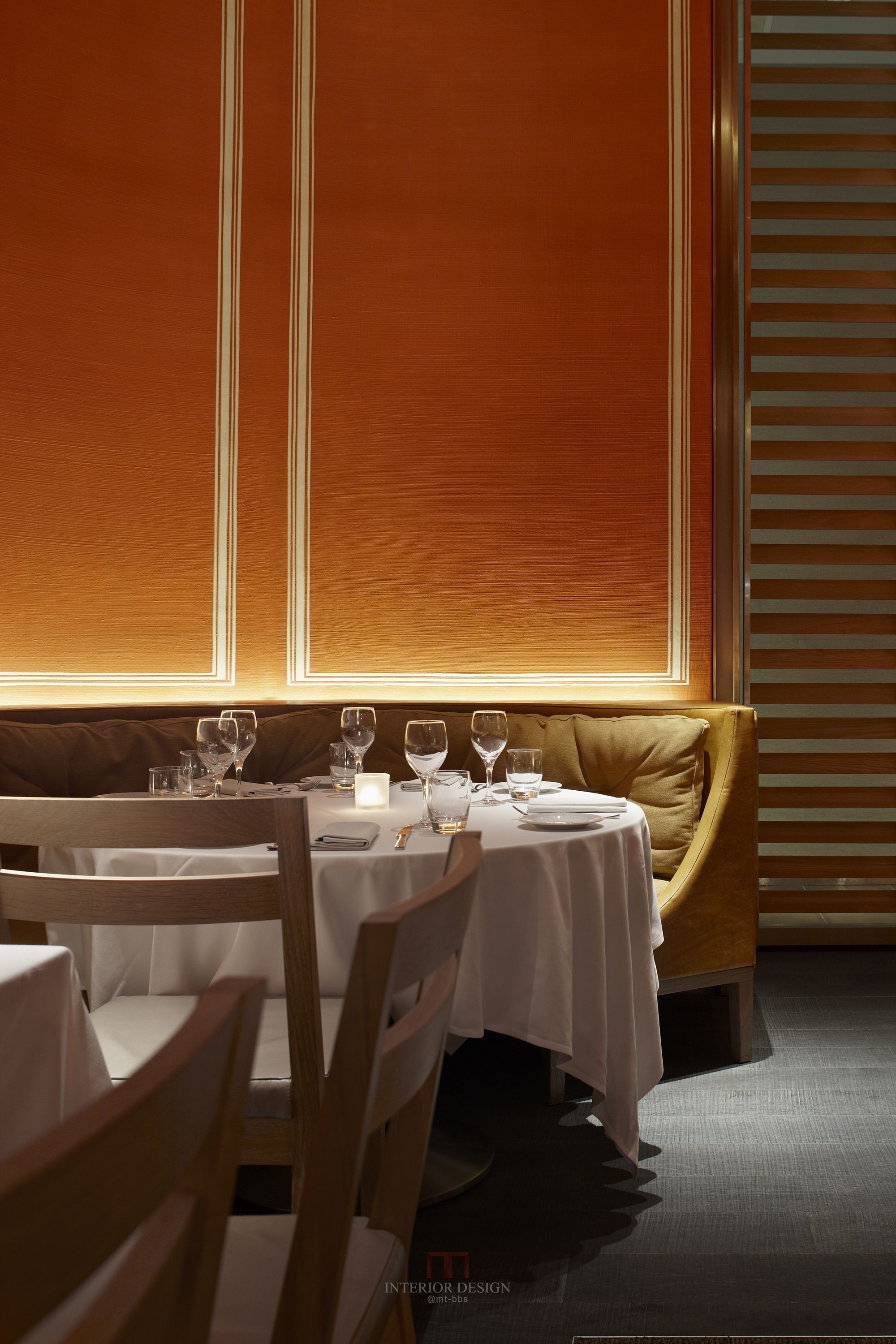
Restaurant Interior Design Penang — When Dining Becomes an Experience, Not Just a Meal
In Penang, people don’t just go out to eat.
They go out to experience. Restaurant Interior Design Penang
From heritage shophouses in George Town, to contemporary dining destinations in Gurney, Batu Ferringhi, and Tanjung Tokong, Penang’s food culture is deeply emotional, social, and sensory. The success of a restaurant today is no longer defined only by taste — but by how the entire journey feels.
As a restaurant interior designer, I believe great dining spaces are not decorated.
They are designed for experience.
This is where thoughtful Restaurant Interior Design Penang plays a critical role.
Why Restaurant Design Is About Experience, Not Decoration
A beautifully styled restaurant can still fail.
Why?
Because guests don’t remember furniture — they remember how they felt:
-
Was it welcoming or intimidating?
-
Could they talk comfortably?
-
Did the space feel authentic or forced?
Di Penang, pelanggan sangat sensitif terhadap suasana.
They value warmth, character, and authenticity — not artificial luxury.
Experience-driven design begins with understanding how people move, sense, and connect within a space.
Here Is How Experience-Driven Restaurant Design Is Achieved
1. Spatial Planning That Supports the Dining Journey
Every memorable restaurant has a rhythm.
From arrival, waiting, seating, dining, to departure — each moment must flow naturally. Good spatial planning ensures:
-
Clear entry points
-
Comfortable waiting areas
-
Smooth circulation for guests and staff
-
Privacy without isolation
In compact Penang lots and heritage buildings, this becomes even more critical.
Perancangan ruang yang baik memastikan restoran terasa lapang, walaupun saiznya terhad.
2. Atmosphere: The Emotional Layer of Dining
Atmosphere is the silent storyteller.
Lighting, ceiling height, material choices, and proportions all influence how long guests stay — and whether they return.
In Penang’s tropical climate, atmosphere must balance:
-
Comfort
-
Ventilation
-
Warmth without heaviness
Soft lighting, breathable layouts, and tactile materials help create spaces that feel inviting, not overwhelming.
3. Sensory Design: Designing Beyond What the Eye Sees
Great restaurants engage all senses.
Lighting
Warm, layered lighting enhances food presentation and mood. Harsh lighting breaks intimacy.
Acoustics
Bising membuat orang cepat pergi.
Thoughtful acoustic design allows conversation without shouting — especially important in lively Penang dining culture.
Materials & Texture
Natural wood, stone, lime plaster, or heritage finishes create emotional depth and local relevance.
Scent & Airflow
Good ventilation ensures aromas entice, not overpower. This is crucial in open-kitchen concepts popular across Penang.
4. Customer Flow and Operational Efficiency
Experience fails when service struggles.
Design must support:
-
Efficient kitchen-to-table flow
-
Clear service paths
-
Logical zoning between FOH and BOH
When operations flow smoothly, guests feel relaxed — even if they can’t explain why.
Reka bentuk yang menyokong operasi dapur akan terus meningkatkan pengalaman pelanggan.
5. Brand Storytelling Through Space
In Penang, storytelling matters.
Whether it’s a modern Peranakan concept, a seafood restaurant, or a contemporary café, the interior must express:
-
Brand values
-
Culinary philosophy
-
Cultural references
Design elements should quietly narrate the story — not shout it.
This is how Restaurant Interior Design Penang creates spaces that feel authentic, not copy-paste.
6. Responding to Local Dining Habits
Penang diners:
-
Enjoy longer meals
-
Dine socially
-
Appreciate casual refinement over formality
Designing for this means:
-
Comfortable seating
-
Flexible table layouts
-
Spaces that support conversation
Ruang makan perlu menyokong budaya “lepak lama” yang menjadi identiti tempatan.
Designing for Return Visits, Not Just First Impressions
A restaurant succeeds when guests come back — and bring friends.
Experience-driven design increases:
-
Dwell time
-
Emotional connection
-
Brand recall
When guests associate a place with comfort, ease, and enjoyment, loyalty follows naturally.
That is the long-term value of thoughtful Restaurant Interior Design Penang.
Local Context Meets International Standards
Penang’s F&B scene is competitive and globally visible.
Our firm brings:
-
International hospitality design standards
-
Strong understanding of local regulations and construction practices
-
Sensitivity to heritage contexts and modern developments
From standalone restaurants to mall-based concepts in Gurney Plaza or destination dining in George Town, we design with consistency, quality, and local intelligence.
End-to-End Design & Build for F&B
Experience-led restaurants require alignment from concept to completion.
Our firm provides:
-
F&B concept strategy
-
Interior design development
-
Technical coordination
-
Fit-out and turnkey delivery
One vision. One accountable partner.
This ensures the dining experience imagined is the experience delivered.
Designing Restaurants That People Remember
In today’s hospitality landscape, food alone is not enough.
Restaurants must offer:
-
Emotional comfort
-
Spatial clarity
-
Sensory balance
-
Operational excellence
As a restaurant interior designer, I see my role as shaping moments — not just spaces.
That is the essence of meaningful Restaurant Interior Design Penang.
Connect with us in


