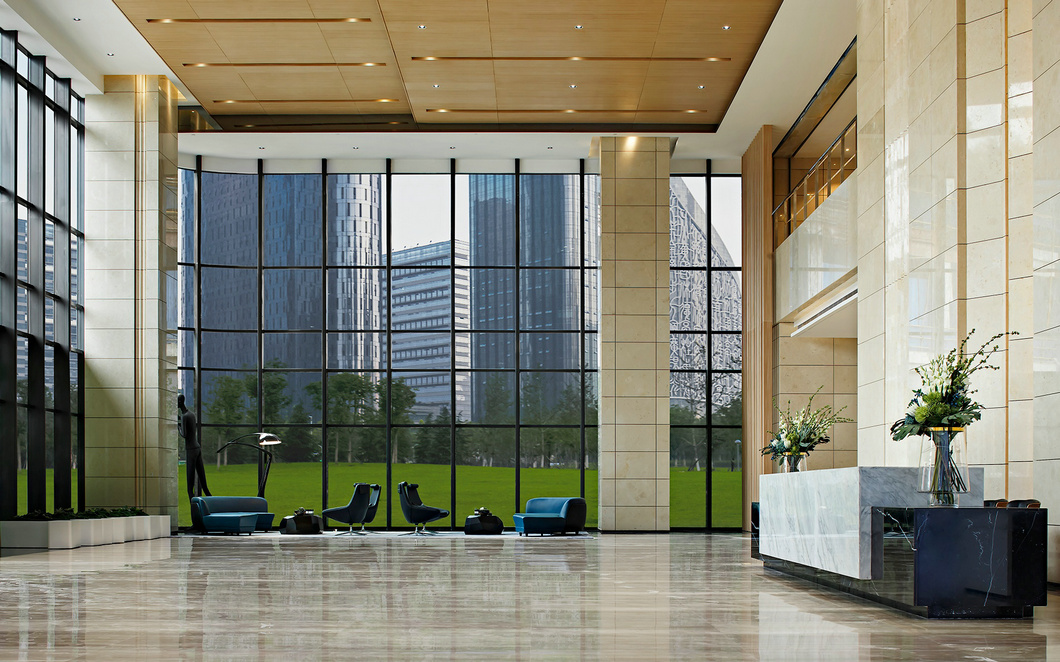
Office Interior Design Penang: Fitout, Building & Construction for Experiential Workplaces
Penang is evolving. Once known primarily for its heritage and tourism, the island is now a growing hub for technology, manufacturing, shared services, and creative industries. From Bayan Lepas’ industrial-tech corridor to George Town’s revitalized commercial districts, businesses are redefining how work happens—and where it happens.Office Interior Design Penang
In this transformation, Office Interior Design Penang plays a pivotal role. Today’s workplace is no longer just a place to work; it is a platform for connection, innovation, and identity. As a designer focused on human-centric environments, I see offices as living ecosystems—ruang kerja yang hidup—where people, culture, and performance intersect.
Understanding Penang’s Evolving Workplace Landscape
To design meaningful workplaces, we must first understand the context in which they exist.
Penang’s business environment is shaped by several key factors:
- Diverse industries, including electronics manufacturing, global business services, and growing startups
- Rising office demand in areas like Bayan Lepas, Gurney Drive, and George Town
- Hybrid work trends, with companies balancing remote flexibility and in-office collaboration
- Emerging co-working culture, especially among SMEs and tech companies
- Tropical climate, influencing ventilation, material selection, and comfort strategies
Workplace culture in Penang is also evolving. There is a shift from hierarchical, task-driven environments toward more collaborative, people-centric spaces—lebih santai tetapi produktif (more relaxed yet productive).
Beyond Layouts: Rethinking the Modern Workplace
Traditional office layouts—rows of desks and enclosed rooms—no longer support the way people work today.
Modern Office Interior Design Penang integrates workplace strategy, fitout, and construction into a seamless process that aligns space with behavior. The goal is simple yet powerful:
Does the workplace truly support human interaction and performance?
To answer this, we design workplaces that are layered, flexible, and experiential.
Creating Experiential Workplaces Through Layered Design
An effective office today is not one space—it is a collection of environments designed for different activities and moods.
Activity-Based Working (ABW)
ABW allows employees to choose where and how they work. Instead of fixed desks, the office offers:
- Focus zones for deep work
- Collaboration areas for teamwork
- Quiet pods for privacy
- Social hubs for informal interaction
This flexibility encourages autonomy while enhancing productivity.
Collaboration & Social Spaces
In Penang’s relationship-driven work culture, collaboration spaces are essential. Informal lounges, breakout areas, and café-style environments create opportunities for spontaneous conversations—borak santai yang membawa idea besar (casual chats that spark big ideas).
Focus & Retreat Areas
While collaboration is key, employees also need quiet spaces to concentrate. Acoustic pods, library-style zones, and enclosed rooms provide balance within the workplace ecosystem.
The Design & Build Process: From Vision to Reality
At our firm, we approach office projects holistically—integrating design, fitout, and construction into a unified delivery model.
1. Workplace Strategy & Concept Development
We begin by understanding the client’s culture, workflow, and business goals. This insight informs a concept that reflects both brand identity and employee needs.
2. Spatial Planning & Technical Design
Efficient layouts, circulation flow, and zoning are developed to ensure seamless movement and functionality. Every square meter is optimized—guna ruang dengan bijak (use space wisely).
3. Fitout & Construction Execution
Precision in construction ensures that the design vision is realized. Material selection, detailing, and coordination are carefully managed to deliver quality and durability.
4. Final Delivery & Experience Integration
The final stage brings everything together—furniture, lighting, branding elements, and technology—creating a cohesive and immersive workplace environment.
Key Design Considerations for High-Performance Offices
Creating an experiential workplace requires attention to both visible and invisible elements.
Spatial Efficiency & Flow
Clear circulation paths improve usability and reduce friction. Employees should move effortlessly through the space, enhancing both productivity and comfort.
Ergonomics & Comfort
Furniture design must support physical wellbeing. Adjustable desks, supportive seating, and proper workstation layouts reduce fatigue and improve performance.
Lighting & Atmosphere
Natural light is highly valued in Penang offices. Layered artificial lighting complements daylight, creating a balanced and comfortable environment throughout the day.
Acoustic Performance
Noise control is essential in open-plan offices. Acoustic panels, ceiling treatments, and soft materials help create a calm and focused atmosphere.
Material Durability
High-traffic areas require materials that are both beautiful and resilient. In a tropical climate, moisture-resistant finishes and easy-to-maintain surfaces are critical.
Smart Technology Integration
Modern workplaces integrate technology seamlessly—smart booking systems, sensor-based lighting, and digital collaboration tools enhance flexibility and efficiency.
Multi-Layered Design: Creating Depth & Experience
What makes a workplace truly memorable is its depth—the layering of design elements that create richness and variation.
- Spatial zoning defines different experiences within the office
- Material contrast adds texture and visual interest
- Lighting layers create mood and hierarchy
- Visual connectivity fosters openness while maintaining structure
This multi-layered approach transforms offices into environments that feel dynamic and engaging—ruang yang ada jiwa (spaces with soul).
Wellness, Sustainability & Human-Centric Design
Today’s employees expect more from their workplace. Wellness and sustainability are no longer optional—they are essential.
Biophilic Design
Incorporating greenery, natural materials, and outdoor views helps reduce stress and improve wellbeing. Plants, green walls, and natural textures bring life into the office.
Healthy Work Environments
Good air quality, thermal comfort, and access to daylight contribute to healthier, happier employees.
Sustainable Materials
Using eco-friendly materials and energy-efficient systems supports long-term environmental responsibility while reducing operational costs.
Aligning Design with Brand & Culture
An office is a physical expression of a company’s identity.
In Penang’s competitive talent market, companies must create workplaces that attract and retain employees. Design plays a crucial role in communicating:
- Brand values
- Company culture
- Organizational vision
From color schemes to spatial layout, every element should reflect who the company is—identiti yang jelas, pengalaman yang konsisten (clear identity, consistent experience).
The Business Impact of Thoughtful Office Design
Strategic Office Interior Design Penang delivers measurable outcomes:
- Improved collaboration and communication
- Higher employee satisfaction and retention
- Stronger brand perception
- Optimized space utilization
- Increased overall productivity
A well-designed office becomes more than a workplace—it becomes a driver of business success.
Your Partner in Experiential Workplace Design
At our firm, we believe that great workplaces are built through a deep understanding of people, culture, and purpose.
With expertise in Office Interior Design Penang, we deliver end-to-end solutions—from strategy and design to fitout and construction—creating environments that inspire connection, creativity, and performance.
Because in today’s world, the office is not just where work happens.
It is where ideas grow, relationships strengthen, and businesses thrive—tempat di mana semuanya bermula (where everything begins).
Connect with us in


